Klassík, Sígild og samtímatónlist, Sígildir sunnudagar, Tónlist
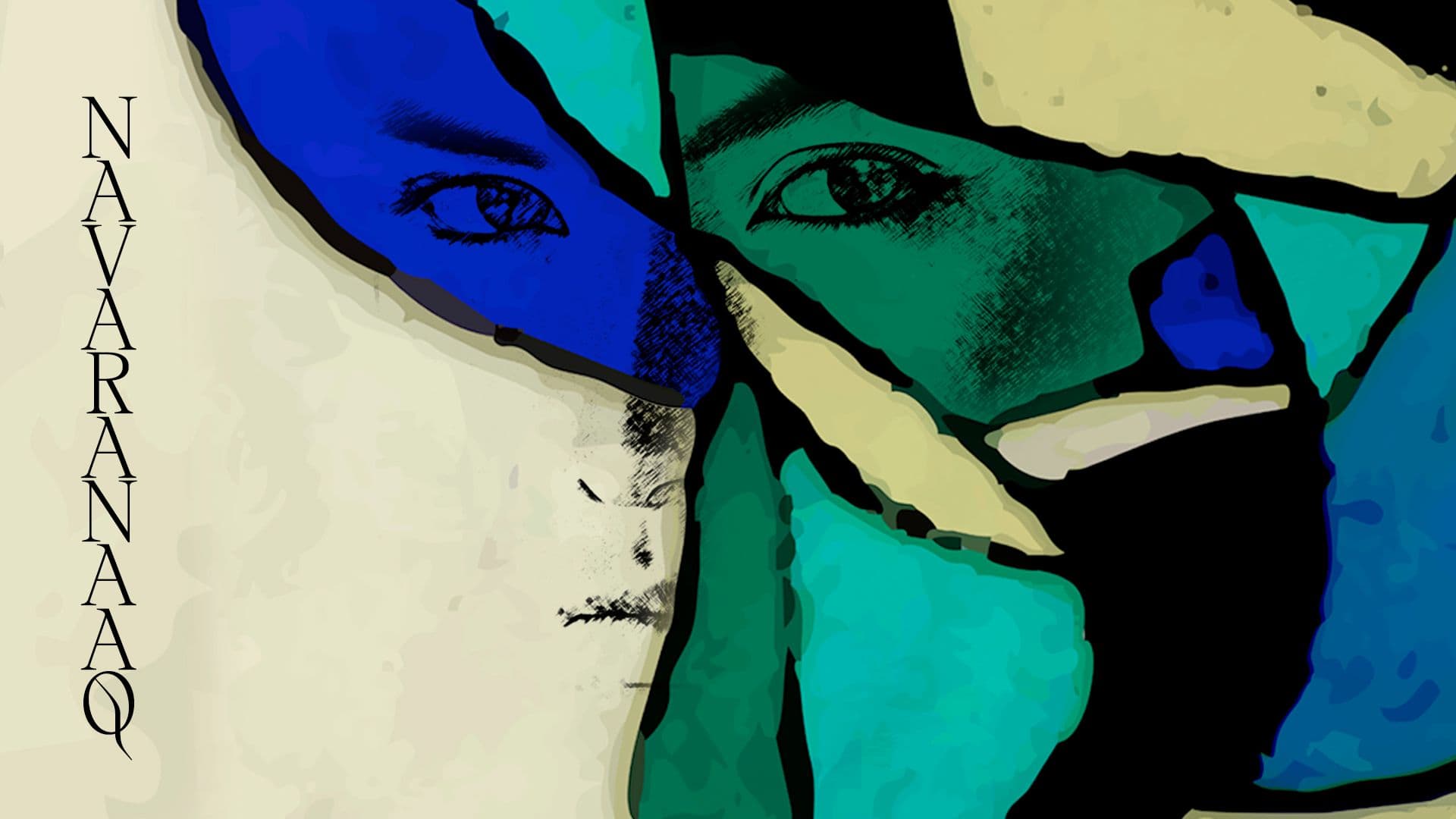
Navaranaaq & Ólafs ríma Grænlendings - Sunday Classics
Price
2.900 - 4.200 kr
Next event
Sunday 1st November - 16:00
Venue
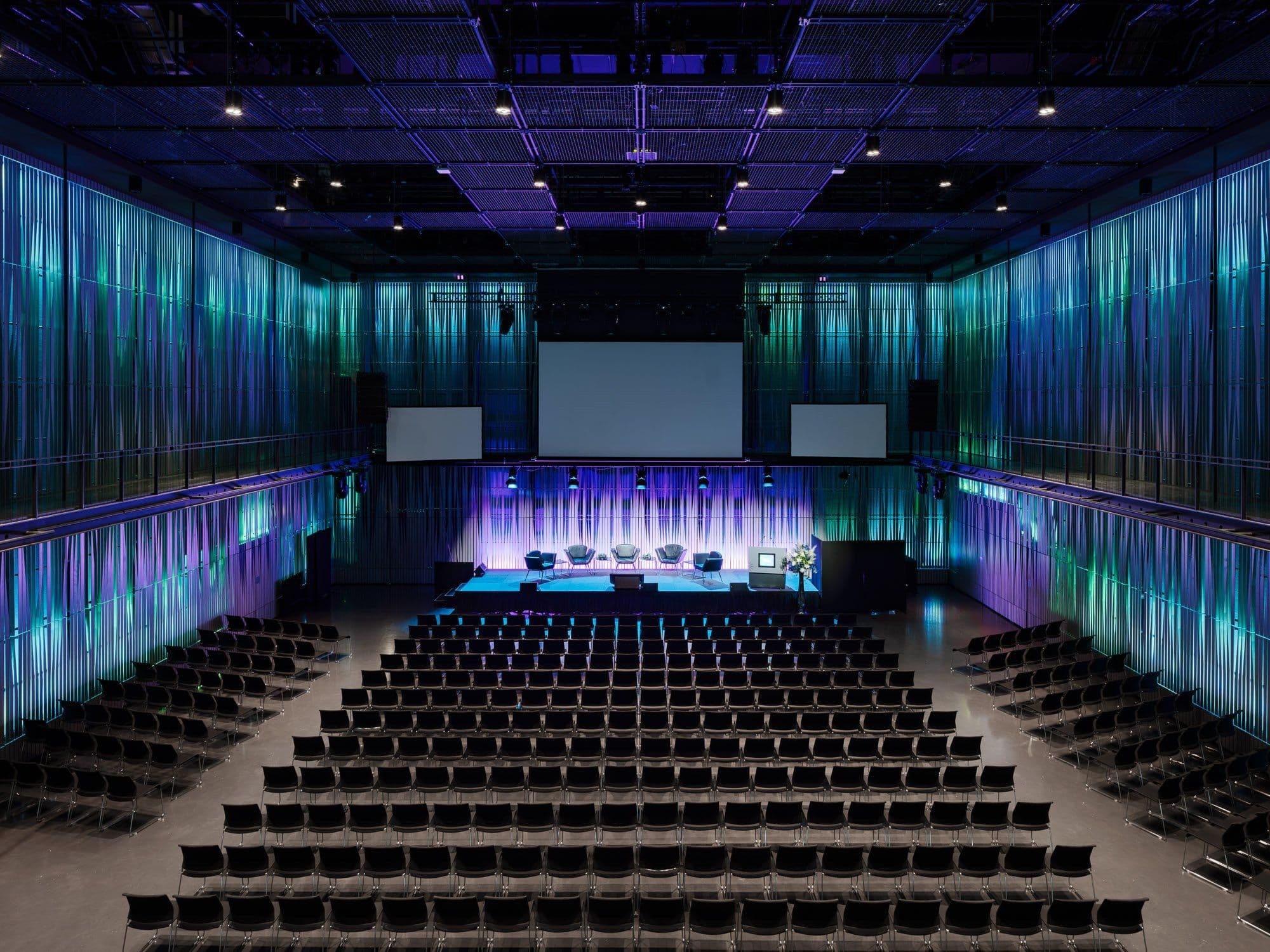
Norðurljós
Greenland is Iceland’s closest geographical neighbor. Despite this proximity, intercultural exchange between Icelanders and Greenlanders has historically been limited and remains so today. The reasons are varied, with linguistic differences, distinct traditions, and divergent cultures among the most significant. Literary connections between the two nations have likewise been scarce. Today, strengthening ties between these neighboring peoples through cultural collaboration is both necessary and valuable, especially in light of Greenland’s ongoing efforts to secure its standing in the community of nations. Deepening this relationship is the goal that lies at the heart of the present project, which will bring together composers, poets, folk musicians, choirs, choirmasters, and translators from Greenland, Iceland, Norway, and Denmark.
Project leaders Stefan Sand (Denmark/Iceland), Nuka Alice (Greenland) and Rebekka Ingibjartsdóttir (Iceland/Norway) bring two legends together: the Norse story of Olavik, as interpreted by Einar Benediktsson in Ólafs ríma Grænlendings, and the legend of Navaranaaq.
Nuka Alice - Composer and drum dancer
Stefan Sand - Composer and conductor
Rebekka Ingibjartsdóttir - Conductor
Hugo Herrman - Conductor
- - -
Mótettukórinn Choir
Laffí Vokalensemble
Stúlknakór Reykjavíkur Choir
Studenterorkesteret STRYK
Duration: approx. 70 mins. without intermission.
To achieve the synthesis—and to ensure an authentic Greenlandic and Inuit perspective— Greenlandic collaborators have joined the project. A poet, Kimmernaq Støvlbæk, has composed a libretto in Greenlandic, drawing on the Navaranaaq legend, while the composer folk musician Nuka Alice will contribute through traditional Inuit drum dancing, in which the rhythm is guided by the performer’s own heartbeat, in keeping with Inuit custom, and by writing a new piece with Stefan Sand.
The new piece is for string orchestra, mixed choir, children's choir and drum dancing soloist with an estimated length of 30 minutes. The challenge and experiment is to combine two widely different styles of music, that being the “Inngerutit” which is the inuit traditional drum song/dance and typical western style of composition as we know it. This new piece will be performed together with other selected works.
This project originally emerged from the idea of performing Jórunn Viðar’s Mansöngur fyrir Ólafs rímu Grænlendings for mixed choir and strings alongside a newly composed work by project leader Stefan Sand. A close reading of Einar Benediktsson’s ríma revealed considerable dramatic and poetic depth. In consultation with Greenlandic collaborators, it became clear that multiple Inuit legends exist concerning the fall of the Icelandic settlement—among them, the legend of Navaranaaq.
Navaranaaq - the story
Navaranaaq is an Inuit woman foretold in prophecy to bring about the destruction of a people. Outlawed by her own community, she is discovered by Icelanders, marking the first contact between the two groups in Greenland. She deceives both sides, telling the Icelanders that the Inuit intend to annihilate them, and then repeating the same lie to the Inuit. Her manipulation sows distrust, ignites conflict, and ultimately leads to war. As recounted in Inuit oral tradition, Navaranaaq’s story is one of love and jealousy that sets in motion a chain of events with tragic consequences.
Ólafs ríma Grænlendings - the story
The prologue (mansöngur) to Einar Benediktsson’s ríma opens with a serene vision: Icelandic settlers in Greenland are gathered, listening to a singer of rímur. But the vision soon fades, giving way to a stark reality—both Greenland and Iceland lie in silence, the Norse long vanished from Greenland. With this elegiac contrast, the poet launches into the main narrative of the ríma, depicting a time when medieval Icelanders coexisted uneasily in Greenland with the Inuit—their mortal enemies—whom the poet portrays in harsh, unsympathetic terms. Yet the Inuit are presented as worthy foes, renowned for their martial skill and exceptional prowess in kayaking.
The poem recounts the cycle of violence between the two peoples, marked by fierce battles and mutual suffering. In one fateful episode, an Icelandic boy taunts an Inuit kayaker, daring him to prove his skill by throwing a spear. The challenge ends in the boy’s death. What follows is a series of escalating encounters, culminating in a dramatic final assault: the Inuit attack the last Icelandic settlement and burn down its church during a mass. Out of this devastation emerges the poem’s tragic hero, Ólafur the Strong—Einar Benediktsson’s interpretation of Olavik from Inuit legend. A figure with many heathen qualities, Ólafur the Strong is the last Icelander left standing after a fierce battle. In his final act of desperation, he summons the strength to hurl his three-year-old son into a lake, hoping to save the child from the attackers as he himself falls.
Ólafs ríma Grænlendings by Einar Benediktsson is, as a whole, a relatively obscure work in Icelandic literature. Its most renowned passages come from the prologue (mansöngur), where the poet passionately exalts Icelandic culture, with particular emphasis on the rímur tradition. Selections from the prologue have previously been set to music—most notably by Jón Leifs and Jórunn Viðar, two of Iceland’s most acclaimed composers of the 20th century.
Historical background for the project
Following the Icelandic settlement of parts of Greenland in the 10th century, Norse–Inuit encounters were depicted in a handful of sagas, not all of which portrayed either side in a favorable light. The Icelandic colony seems to have thrived until the mid-15th century, when it mysteriously vanished for reasons that remain unclear. European colonization resumed in 1721 with the arrival of the Danes. In the course of their research into Inuit oral traditions, Danish scholars discovered a number of legends concerning the disappearance of the Norse settlers some 400 years earlier. One such tale recounts a bloody conflict between the Icelanders and the Inuit, culminating in a battle that saw the annihilation of the last Norse survivors, led by an Icelandic man named Olavik.
Einar Benediktsson
Shortly after 1900, one of Iceland’s most prominent poets, Einar Benediktsson, became captivated by this particular Inuit legend. Renowned not only for his literary accomplishments but also for his ambitious entrepreneurial ventures, Einar was a larger-than-life figure in Icelandic public life. His grandiose schemes brought him both admiration and controversy. He was famously said to have “sold the northern lights” to
foreign investors, a quip that reflected both his ambition and the publicʼs skepticism. Among his more quixotic pursuits was the idea of re-establishing the Icelandic settlement in Greenland, thereby reclaiming the island for the Icelandic nation. Although widely regarded as a fringe notion, the idea received considerable attention in Iceland at the time.
Promoter
Óperudagar
Ticket prices are
A
4.200 kr.
A
2.900 kr.
A
4.200 kr.
A
2.900 kr.
What's on